Buy js-school.eu ?
We are moving the project
js-school.eu .
Are you interested in purchasing the domain
js-school.eu ?
domain@kv-gmbh.de · 0541-91531010
Buy js-school.eu ?
Was the laptop connected with a low-power charger via USB-C?
Without specific information about the laptop and charger, it is difficult to determine if the laptop was connected with a low-power charger via USB-C. However, USB-C chargers can vary in power output, so it is possible that the laptop was connected to a low-power charger. It is important to use the correct charger for the laptop to ensure proper charging and performance. **
Is there a way to power a motherboard using a USB-C laptop charger?
No, it is not possible to power a motherboard directly using a USB-C laptop charger. USB-C chargers are designed to provide power to devices that are compatible with the USB-C standard, such as laptops, smartphones, and tablets. Motherboards require a different type of power supply, typically with multiple connectors for different components like the CPU, GPU, and peripherals. Attempting to power a motherboard with a USB-C charger could potentially damage the components or result in insufficient power delivery. **


Similar search terms for Coreparts-USB-C-Power-Charger
Top-Angebote
Products related to Coreparts-USB-C-Power-Charger:


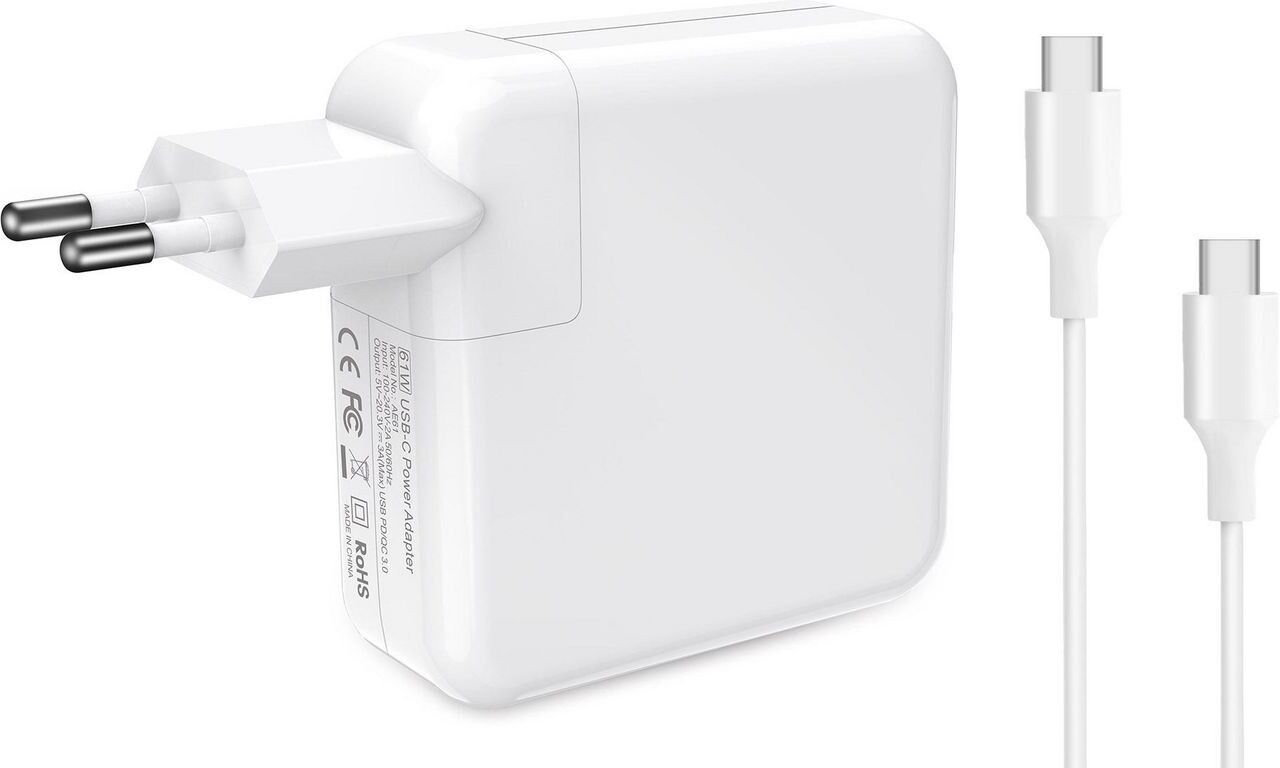

-
Does USB-C not provide power?
USB-C does provide power, in fact, it is designed to deliver higher power levels compared to previous USB connectors. USB-C can deliver up to 100 watts of power, making it suitable for charging a wide range of devices including laptops, smartphones, and tablets. Additionally, USB-C supports power delivery (PD) technology, which allows for faster charging and power transfer between devices. **
-
How can you charge another device with a USB-C fast charger?
You can charge another device with a USB-C fast charger by simply connecting the USB-C cable from the charger to the USB-C port on the device you want to charge. Make sure the charger has enough power output to support fast charging for the device you are connecting it to. Additionally, ensure that the USB-C cable is of good quality and capable of handling fast charging speeds. Once everything is connected properly, the device should start charging at a faster rate than with a standard charger. **
-
How are the power contacts arranged on a micro-USB charger?
The power contacts on a micro-USB charger are typically arranged in a specific configuration. There are four contacts - two on the top and two on the bottom. The outer two contacts are for power transmission, while the inner two are for data transfer. This arrangement ensures that the charger is connected correctly to the device, providing power and enabling data transfer if needed. **
-
How can you connect two power banks with USB-C?
To connect two power banks with USB-C, you will need a USB-C to USB-C cable. First, make sure both power banks are fully charged. Then, connect one end of the USB-C cable to the output port of the first power bank and the other end to the input port of the second power bank. This will allow the first power bank to transfer its power to the second power bank, effectively charging it. Make sure to use a high-quality USB-C cable to ensure safe and efficient power transfer between the two power banks. **


Is USB-C the same as USB-C 3.1?
USB-C and USB 3.1 are not the same thing, but they are related. USB-C refers to the physical connector type, which is a small, reversible connector that is becoming increasingly popular for various devices. On the other hand, USB 3.1 refers to the data transfer speed and capabilities of the USB standard. USB 3.1 is a newer and faster version of the USB standard, offering faster data transfer speeds and more power delivery compared to previous versions. Therefore, a device can have a USB-C connector and still use an older USB standard like USB 2.0, or it can have a USB-C connector and use the newer USB 3.1 standard for faster data transfer. **
What is the color coding in the USB-C cable?
The color coding in a USB-C cable typically follows the USB standard, with the wires being color-coded as red for power, black or white for ground, green for data positive, and white for data negative. This color coding helps ensure that the correct wires are connected to the corresponding pins in the USB-C connector, allowing for proper power and data transfer. It is important to follow the color coding when working with USB-C cables to avoid any potential damage to devices or data transfer issues. **
Top-Angebote
Products related to Coreparts-USB-C-Power-Charger:
-
Was the laptop connected with a low-power charger via USB-C?
Without specific information about the laptop and charger, it is difficult to determine if the laptop was connected with a low-power charger via USB-C. However, USB-C chargers can vary in power output, so it is possible that the laptop was connected to a low-power charger. It is important to use the correct charger for the laptop to ensure proper charging and performance. **
-
Is there a way to power a motherboard using a USB-C laptop charger?
No, it is not possible to power a motherboard directly using a USB-C laptop charger. USB-C chargers are designed to provide power to devices that are compatible with the USB-C standard, such as laptops, smartphones, and tablets. Motherboards require a different type of power supply, typically with multiple connectors for different components like the CPU, GPU, and peripherals. Attempting to power a motherboard with a USB-C charger could potentially damage the components or result in insufficient power delivery. **
-
Does USB-C not provide power?
USB-C does provide power, in fact, it is designed to deliver higher power levels compared to previous USB connectors. USB-C can deliver up to 100 watts of power, making it suitable for charging a wide range of devices including laptops, smartphones, and tablets. Additionally, USB-C supports power delivery (PD) technology, which allows for faster charging and power transfer between devices. **
-
How can you charge another device with a USB-C fast charger?
You can charge another device with a USB-C fast charger by simply connecting the USB-C cable from the charger to the USB-C port on the device you want to charge. Make sure the charger has enough power output to support fast charging for the device you are connecting it to. Additionally, ensure that the USB-C cable is of good quality and capable of handling fast charging speeds. Once everything is connected properly, the device should start charging at a faster rate than with a standard charger. **
Similar search terms for Coreparts-USB-C-Power-Charger
-
How are the power contacts arranged on a micro-USB charger?
The power contacts on a micro-USB charger are typically arranged in a specific configuration. There are four contacts - two on the top and two on the bottom. The outer two contacts are for power transmission, while the inner two are for data transfer. This arrangement ensures that the charger is connected correctly to the device, providing power and enabling data transfer if needed. **
-
How can you connect two power banks with USB-C?
To connect two power banks with USB-C, you will need a USB-C to USB-C cable. First, make sure both power banks are fully charged. Then, connect one end of the USB-C cable to the output port of the first power bank and the other end to the input port of the second power bank. This will allow the first power bank to transfer its power to the second power bank, effectively charging it. Make sure to use a high-quality USB-C cable to ensure safe and efficient power transfer between the two power banks. **
-
Is USB-C the same as USB-C 3.1?
USB-C and USB 3.1 are not the same thing, but they are related. USB-C refers to the physical connector type, which is a small, reversible connector that is becoming increasingly popular for various devices. On the other hand, USB 3.1 refers to the data transfer speed and capabilities of the USB standard. USB 3.1 is a newer and faster version of the USB standard, offering faster data transfer speeds and more power delivery compared to previous versions. Therefore, a device can have a USB-C connector and still use an older USB standard like USB 2.0, or it can have a USB-C connector and use the newer USB 3.1 standard for faster data transfer. **
-
What is the color coding in the USB-C cable?
The color coding in a USB-C cable typically follows the USB standard, with the wires being color-coded as red for power, black or white for ground, green for data positive, and white for data negative. This color coding helps ensure that the correct wires are connected to the corresponding pins in the USB-C connector, allowing for proper power and data transfer. It is important to follow the color coding when working with USB-C cables to avoid any potential damage to devices or data transfer issues. **
* All prices are inclusive of VAT and, if applicable, plus shipping costs. The offer information is based on the details provided by the respective shop and is updated through automated processes. Real-time updates do not occur, so deviations can occur in individual cases. ** Note: Parts of this content were created by AI.