Buy js-school.eu ?
We are moving the project
js-school.eu .
Are you interested in purchasing the domain
js-school.eu ?
domain@kv-gmbh.de · 0541-91531010
Buy js-school.eu ?
Why is there usually a higher polymorphism in non-coding DNA compared to coding DNA?
Non-coding DNA, such as introns and intergenic regions, is not under the same selective pressure as coding DNA, which must maintain the amino acid sequence of proteins. This lack of selective pressure allows for more genetic variation to accumulate in non-coding regions over time. Additionally, non-coding DNA can tolerate mutations more easily without affecting the organism's phenotype, leading to a higher level of polymorphism. These polymorphisms in non-coding DNA can still have functional implications, such as regulating gene expression or affecting chromatin structure. **
How is the non-coding strand of DNA converted into the coding strand of DNA?
The non-coding strand of DNA is used as a template to create the coding strand during the process of transcription. An enzyme called RNA polymerase binds to the non-coding strand and synthesizes a complementary RNA molecule. This RNA molecule is then processed and modified to become messenger RNA (mRNA), which serves as the template for protein synthesis. The mRNA is read by ribosomes to assemble the corresponding amino acids into a protein. **

Similar search terms for Dna
Top-Angebote
Products related to Dna:


-
Why is there usually a higher polymorphism in non-coding DNA than in coding DNA?
Non-coding DNA regions are not under the same selective pressure as coding DNA, which means mutations in non-coding regions are more likely to be tolerated without affecting the organism's survival or reproduction. This leads to a higher accumulation of genetic variation in non-coding regions over time. In contrast, mutations in coding regions can have a direct impact on the organism's phenotype and are more likely to be eliminated by natural selection, resulting in lower polymorphism in coding DNA. **
-
What is the programming language for website programming in the frontend and backend?
The programming language for website programming in the frontend is typically HTML, CSS, and JavaScript. These languages are used to create the structure, style, and interactivity of a website. In the backend, programming languages such as Python, Ruby, PHP, and JavaScript (Node.js) are commonly used to handle server-side operations, database interactions, and other backend functionalities. **
-
How can one use JavaScript for backend programming?
JavaScript can be used for backend programming by utilizing runtime environments like Node.js. Node.js allows developers to run JavaScript code on the server-side, enabling them to build backend applications. With Node.js, developers can create servers, handle requests, interact with databases, and perform other backend tasks using JavaScript. Additionally, Node.js has a vast ecosystem of libraries and frameworks that make backend development efficient and scalable. **
-
How can JavaScript be used for backend programming?
JavaScript can be used for backend programming through the use of runtime environments like Node.js. Node.js allows developers to write server-side code using JavaScript, enabling them to build scalable and efficient backend systems. With Node.js, developers can handle tasks such as server-side logic, database operations, and API integrations, making JavaScript a versatile language for full-stack development. Additionally, the npm ecosystem provides a wide range of libraries and modules that can be easily integrated into backend projects, further enhancing the capabilities of JavaScript for server-side programming. **


Why is only non-coding DNA used in genetic fingerprinting?
Non-coding DNA is used in genetic fingerprinting because it is highly variable between individuals, making it useful for distinguishing between different people. Non-coding DNA, also known as junk DNA, does not code for proteins and is not involved in the expression of genes, so it is less likely to be under selective pressure and more likely to accumulate mutations over time. This high variability and lack of functional constraints make non-coding DNA ideal for genetic fingerprinting, as it can provide unique genetic profiles for individuals. **
What are the effects of non-coding DNA segments on traits?
Non-coding DNA segments, also known as non-coding regions or junk DNA, were once thought to have no functional significance. However, recent research has shown that non-coding DNA can have important regulatory roles in gene expression and can influence traits. For example, non-coding DNA can contain regulatory elements that control when and where genes are turned on and off, ultimately affecting an organism's traits. Additionally, non-coding DNA can also contribute to genetic variation and evolution by serving as a source of genetic diversity. Overall, non-coding DNA segments play a crucial role in shaping an organism's traits and genetic makeup. **
Top-Angebote
Products related to Dna:
-
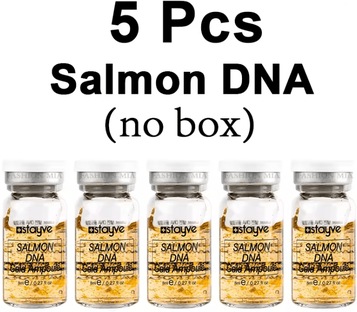
Inspire Essentials Stayve Salmon DNA Gold Ampoule BB Glow Starter Kit 5pcs (no Box)Transform your skincare routine with the Stayve Salmon DNA Gold Ampoule BB Glow Starter Kit, designed for individuals seeking radiant, firm, and youthfullooking skin. This nutrientrich salmon DNA ampoule harnesses PDRN extracted from salmon DNA...47,98 $*Shipping: 0,00 $Secure redirect to the provider
-
Why is there usually a higher polymorphism in non-coding DNA compared to coding DNA?
Non-coding DNA, such as introns and intergenic regions, is not under the same selective pressure as coding DNA, which must maintain the amino acid sequence of proteins. This lack of selective pressure allows for more genetic variation to accumulate in non-coding regions over time. Additionally, non-coding DNA can tolerate mutations more easily without affecting the organism's phenotype, leading to a higher level of polymorphism. These polymorphisms in non-coding DNA can still have functional implications, such as regulating gene expression or affecting chromatin structure. **
-
How is the non-coding strand of DNA converted into the coding strand of DNA?
The non-coding strand of DNA is used as a template to create the coding strand during the process of transcription. An enzyme called RNA polymerase binds to the non-coding strand and synthesizes a complementary RNA molecule. This RNA molecule is then processed and modified to become messenger RNA (mRNA), which serves as the template for protein synthesis. The mRNA is read by ribosomes to assemble the corresponding amino acids into a protein. **
-
Why is there usually a higher polymorphism in non-coding DNA than in coding DNA?
Non-coding DNA regions are not under the same selective pressure as coding DNA, which means mutations in non-coding regions are more likely to be tolerated without affecting the organism's survival or reproduction. This leads to a higher accumulation of genetic variation in non-coding regions over time. In contrast, mutations in coding regions can have a direct impact on the organism's phenotype and are more likely to be eliminated by natural selection, resulting in lower polymorphism in coding DNA. **
-
What is the programming language for website programming in the frontend and backend?
The programming language for website programming in the frontend is typically HTML, CSS, and JavaScript. These languages are used to create the structure, style, and interactivity of a website. In the backend, programming languages such as Python, Ruby, PHP, and JavaScript (Node.js) are commonly used to handle server-side operations, database interactions, and other backend functionalities. **
Similar search terms for Dna
-
How can one use JavaScript for backend programming?
JavaScript can be used for backend programming by utilizing runtime environments like Node.js. Node.js allows developers to run JavaScript code on the server-side, enabling them to build backend applications. With Node.js, developers can create servers, handle requests, interact with databases, and perform other backend tasks using JavaScript. Additionally, Node.js has a vast ecosystem of libraries and frameworks that make backend development efficient and scalable. **
-
How can JavaScript be used for backend programming?
JavaScript can be used for backend programming through the use of runtime environments like Node.js. Node.js allows developers to write server-side code using JavaScript, enabling them to build scalable and efficient backend systems. With Node.js, developers can handle tasks such as server-side logic, database operations, and API integrations, making JavaScript a versatile language for full-stack development. Additionally, the npm ecosystem provides a wide range of libraries and modules that can be easily integrated into backend projects, further enhancing the capabilities of JavaScript for server-side programming. **
-
Why is only non-coding DNA used in genetic fingerprinting?
Non-coding DNA is used in genetic fingerprinting because it is highly variable between individuals, making it useful for distinguishing between different people. Non-coding DNA, also known as junk DNA, does not code for proteins and is not involved in the expression of genes, so it is less likely to be under selective pressure and more likely to accumulate mutations over time. This high variability and lack of functional constraints make non-coding DNA ideal for genetic fingerprinting, as it can provide unique genetic profiles for individuals. **
-
What are the effects of non-coding DNA segments on traits?
Non-coding DNA segments, also known as non-coding regions or junk DNA, were once thought to have no functional significance. However, recent research has shown that non-coding DNA can have important regulatory roles in gene expression and can influence traits. For example, non-coding DNA can contain regulatory elements that control when and where genes are turned on and off, ultimately affecting an organism's traits. Additionally, non-coding DNA can also contribute to genetic variation and evolution by serving as a source of genetic diversity. Overall, non-coding DNA segments play a crucial role in shaping an organism's traits and genetic makeup. **
* All prices are inclusive of VAT and, if applicable, plus shipping costs. The offer information is based on the details provided by the respective shop and is updated through automated processes. Real-time updates do not occur, so deviations can occur in individual cases. ** Note: Parts of this content were created by AI.