Buy js-school.eu ?
We are moving the project
js-school.eu .
Are you interested in purchasing the domain
js-school.eu ?
domain@kv-gmbh.de · 0541-91531010
Buy js-school.eu ?
What is the programming language for website programming in the frontend and backend?
The programming language for website programming in the frontend is typically HTML, CSS, and JavaScript. These languages are used to create the structure, style, and interactivity of a website. In the backend, programming languages such as Python, Ruby, PHP, and JavaScript (Node.js) are commonly used to handle server-side operations, database interactions, and other backend functionalities. **
How can one use JavaScript for backend programming?
JavaScript can be used for backend programming by utilizing runtime environments like Node.js. Node.js allows developers to run JavaScript code on the server-side, enabling them to build backend applications. With Node.js, developers can create servers, handle requests, interact with databases, and perform other backend tasks using JavaScript. Additionally, Node.js has a vast ecosystem of libraries and frameworks that make backend development efficient and scalable. **

Similar search terms for Stack
Top-Angebote
Products related to Stack:




-
How can JavaScript be used for backend programming?
JavaScript can be used for backend programming through the use of runtime environments like Node.js. Node.js allows developers to write server-side code using JavaScript, enabling them to build scalable and efficient backend systems. With Node.js, developers can handle tasks such as server-side logic, database operations, and API integrations, making JavaScript a versatile language for full-stack development. Additionally, the npm ecosystem provides a wide range of libraries and modules that can be easily integrated into backend projects, further enhancing the capabilities of JavaScript for server-side programming. **
-
What is the difference between a backend, full-stack, and software developer?
A backend developer focuses on the server-side of web development, working with databases, server logic, and APIs. A full-stack developer is proficient in both frontend and backend development, able to work on all aspects of a web application. A software developer is a broader term that encompasses professionals who create software applications, including web developers, mobile app developers, and more. **
-
What is the difference between a backend developer, full-stack developer, and software developer?
A backend developer specializes in building the server-side of web applications, focusing on databases, server logic, and APIs. A full-stack developer is proficient in both frontend and backend development, capable of working on all aspects of a web application. A software developer is a broader term that encompasses both backend and full-stack developers, as well as other specialized roles such as mobile app developers or system architects. **
-
Half or half stack?
It depends on the context. "Half" typically refers to a 50% portion of something, while "half stack" usually refers to a guitar amplifier with only half of its full number of speaker cabinets. Both have their own uses and advantages, so the choice between the two would depend on the specific situation and requirements. **


How can you stack magazines?
You can stack magazines by placing one on top of the other in a neat and organized manner. You can also use bookends or magazine holders to keep the stack stable and prevent them from toppling over. Additionally, you can arrange the magazines by size or topic to create a visually appealing and functional stack. **
How do you stack balls?
To stack balls, you can start by placing one ball on a flat surface. Then, carefully balance another ball on top of the first one. Continue this process, making sure each ball is stacked securely on top of the other to create a stable tower. You can experiment with different arrangements and patterns to create unique and interesting ball stacks. **
Top-Angebote
Products related to Stack:
-
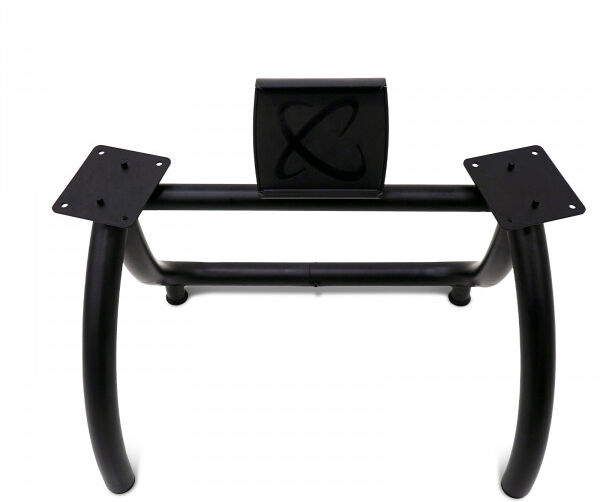
Centr Smart Stack Media RackThe Centr Smart Stack Media Rack is the ultimate solution for organising your Centr Smart Stack Dumbbells (not included). Designed with a sleek and durable structure, it provides convenient storage while complementing your home or studio gym setup. SPACE-SAVING DESIGN Compact and stylish, the...99,00 £*Shipping: 0,00 £Secure redirect to the provider
-
What is the programming language for website programming in the frontend and backend?
The programming language for website programming in the frontend is typically HTML, CSS, and JavaScript. These languages are used to create the structure, style, and interactivity of a website. In the backend, programming languages such as Python, Ruby, PHP, and JavaScript (Node.js) are commonly used to handle server-side operations, database interactions, and other backend functionalities. **
-
How can one use JavaScript for backend programming?
JavaScript can be used for backend programming by utilizing runtime environments like Node.js. Node.js allows developers to run JavaScript code on the server-side, enabling them to build backend applications. With Node.js, developers can create servers, handle requests, interact with databases, and perform other backend tasks using JavaScript. Additionally, Node.js has a vast ecosystem of libraries and frameworks that make backend development efficient and scalable. **
-
How can JavaScript be used for backend programming?
JavaScript can be used for backend programming through the use of runtime environments like Node.js. Node.js allows developers to write server-side code using JavaScript, enabling them to build scalable and efficient backend systems. With Node.js, developers can handle tasks such as server-side logic, database operations, and API integrations, making JavaScript a versatile language for full-stack development. Additionally, the npm ecosystem provides a wide range of libraries and modules that can be easily integrated into backend projects, further enhancing the capabilities of JavaScript for server-side programming. **
-
What is the difference between a backend, full-stack, and software developer?
A backend developer focuses on the server-side of web development, working with databases, server logic, and APIs. A full-stack developer is proficient in both frontend and backend development, able to work on all aspects of a web application. A software developer is a broader term that encompasses professionals who create software applications, including web developers, mobile app developers, and more. **
Similar search terms for Stack
-
What is the difference between a backend developer, full-stack developer, and software developer?
A backend developer specializes in building the server-side of web applications, focusing on databases, server logic, and APIs. A full-stack developer is proficient in both frontend and backend development, capable of working on all aspects of a web application. A software developer is a broader term that encompasses both backend and full-stack developers, as well as other specialized roles such as mobile app developers or system architects. **
-
Half or half stack?
It depends on the context. "Half" typically refers to a 50% portion of something, while "half stack" usually refers to a guitar amplifier with only half of its full number of speaker cabinets. Both have their own uses and advantages, so the choice between the two would depend on the specific situation and requirements. **
-
How can you stack magazines?
You can stack magazines by placing one on top of the other in a neat and organized manner. You can also use bookends or magazine holders to keep the stack stable and prevent them from toppling over. Additionally, you can arrange the magazines by size or topic to create a visually appealing and functional stack. **
-
How do you stack balls?
To stack balls, you can start by placing one ball on a flat surface. Then, carefully balance another ball on top of the first one. Continue this process, making sure each ball is stacked securely on top of the other to create a stable tower. You can experiment with different arrangements and patterns to create unique and interesting ball stacks. **
* All prices are inclusive of VAT and, if applicable, plus shipping costs. The offer information is based on the details provided by the respective shop and is updated through automated processes. Real-time updates do not occur, so deviations can occur in individual cases. ** Note: Parts of this content were created by AI.